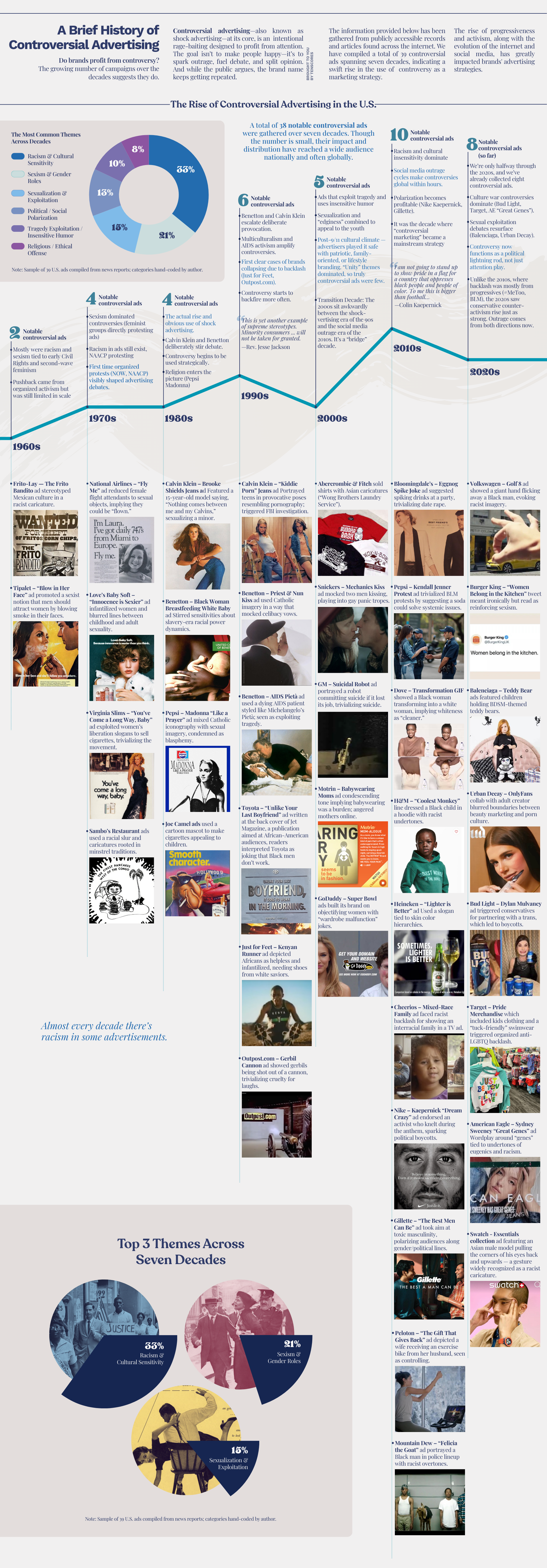
Across seven decades, brands have leaned on controversy. Sometimes it worked, sometimes it backfired, but it always left a mark.
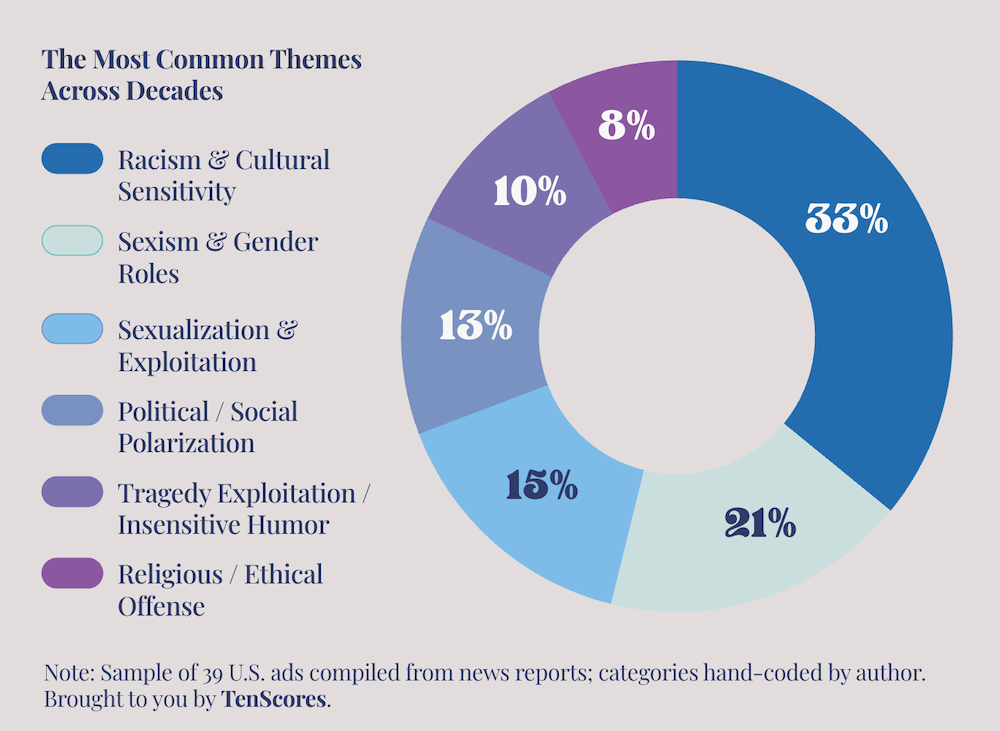
From 39 U.S. ads compiled from news reports, three themes dominate:
Almost every decade had its scandals, but the flavor of outrage shifted with culture.
The 1960s were a clash between old advertising tropes and new social movements. Civil Rights and second-wave feminism were changing America, but ads lagged behind, with groups like the NAACP and NOW staging visible protests that reshaped how ads were received.
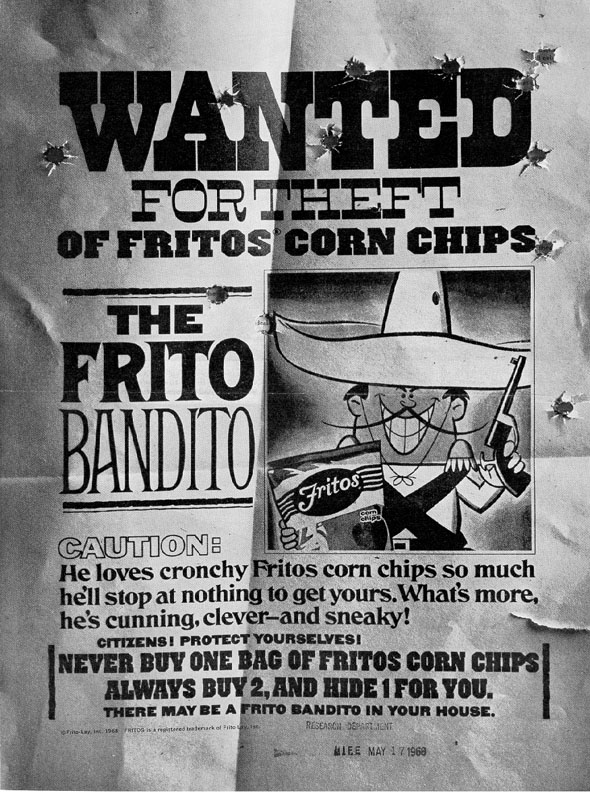
“Frito Bandito” ad reduced Mexican identity to a cartoon. Pulled after protests; backlash harmed reputation but Frito-Lay recovered.
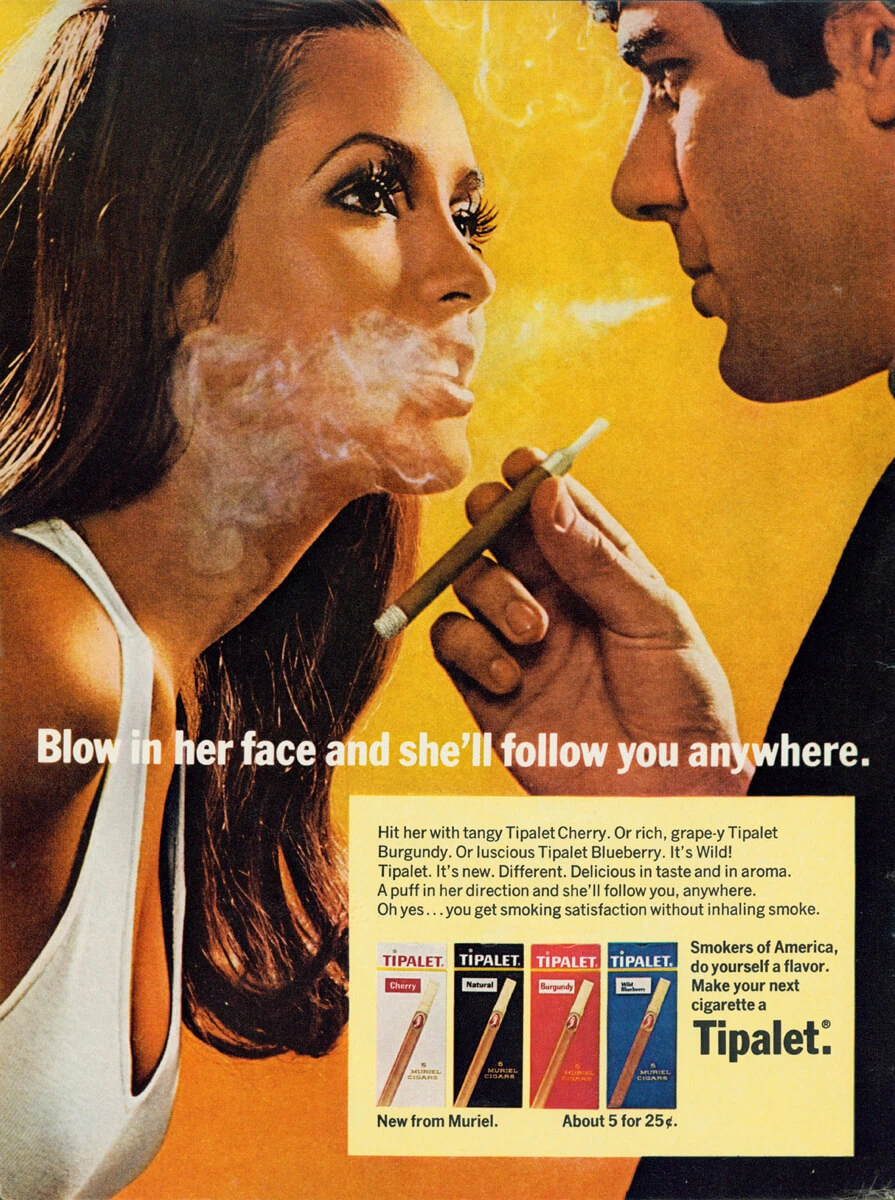
Tipalet told men they could “Blow in Her Face” to win women. Criticized as sexist but sold as normal at the time; no boycott recorded.
Sexism dominated ad controversies, with feminist groups directly protesting depictions of women. Racist stereotypes persisted too, drawing pushback from the NAACP. For the first time, organized protests by groups like NOW and the NAACP visibly shaped national debates about advertising.
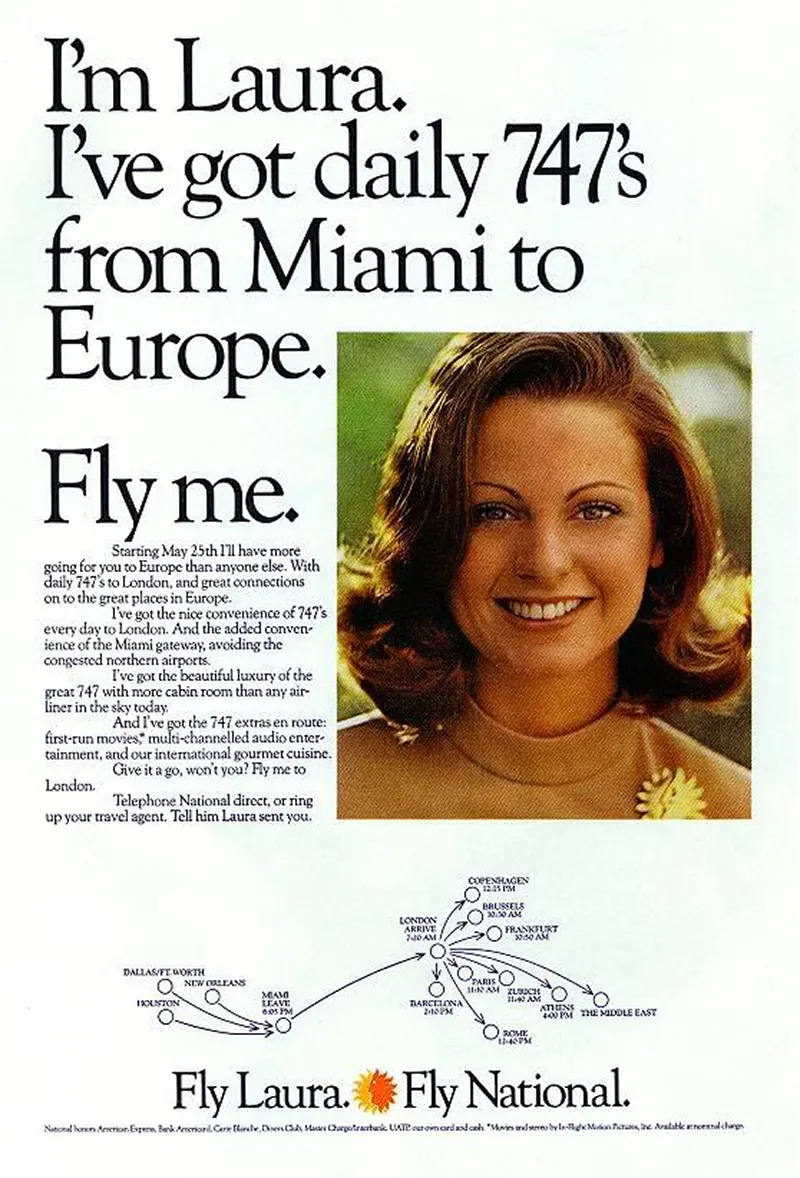
National Airlines invited travelers to “Fly Me,” objectifying flight attendants. Boosted sales short-term, but tarnished airline’s reputation.
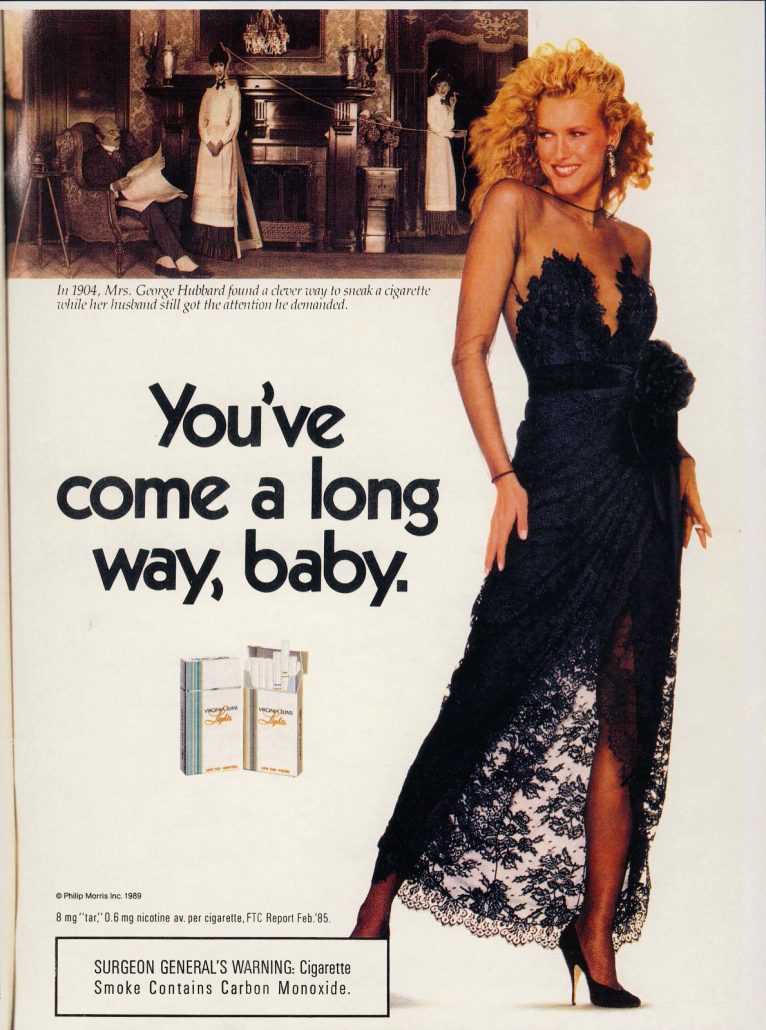
Virginia Slims twisted feminist slogans to sell cigarettes. Hugely profitable; cemented Virginia Slims as a top brand.
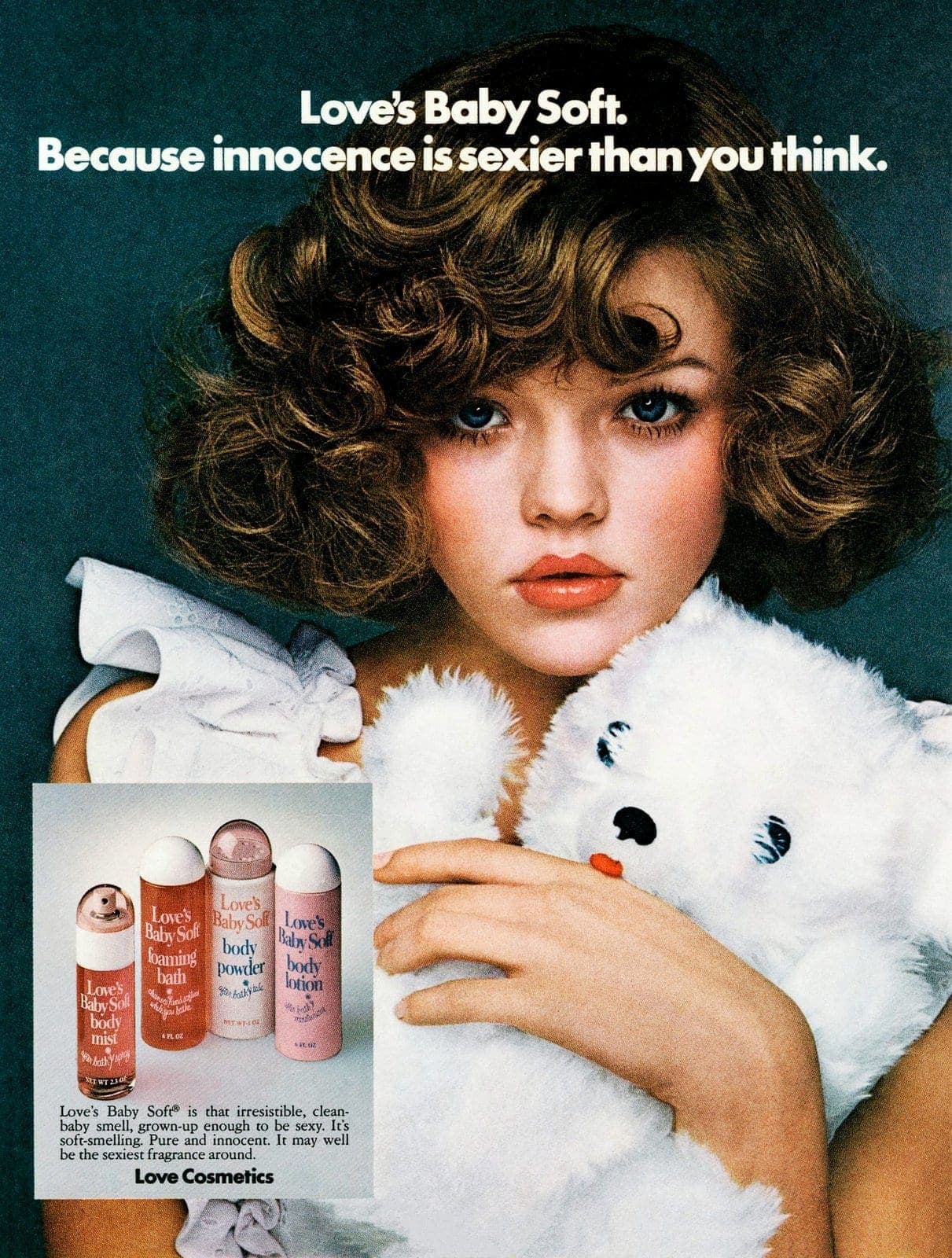
Love’s Baby Soft blurred childhood and adult sexuality. Sales strong at launch, but long-term reputation damage.
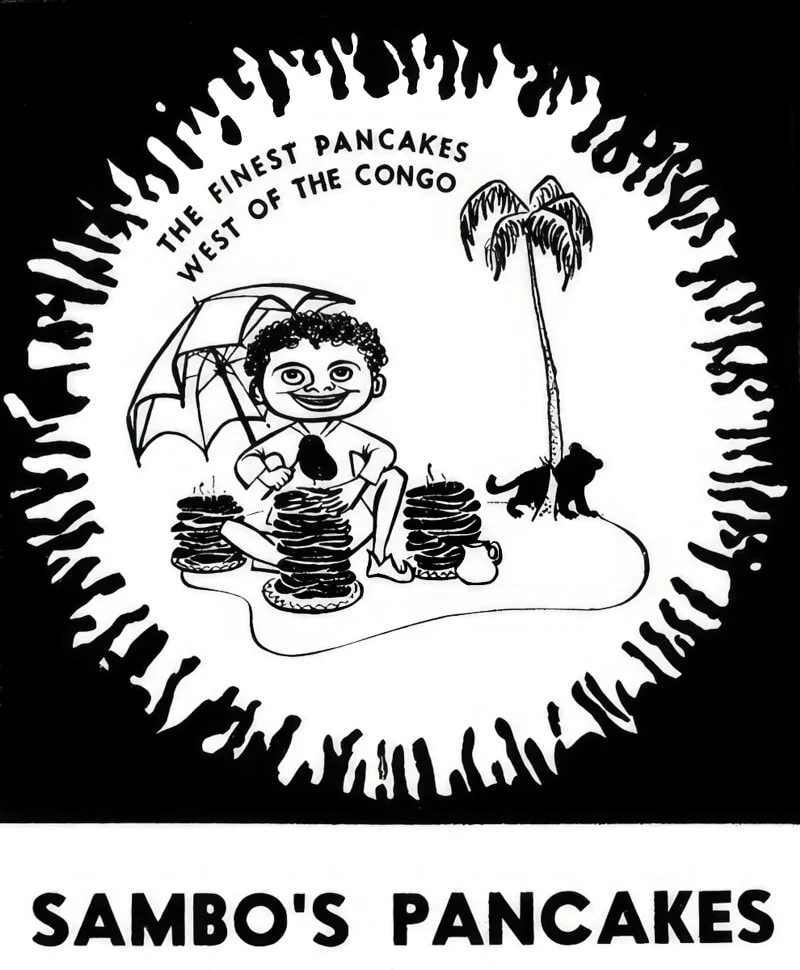
Sambo’s Restaurants clung to minstrel-era imagery. Led to lawsuits and decline; chain collapsed in 1980s.
By the 1980s, outrage wasn’t an accident—it was a business model. Fashion and pop culture made shock a marketing tool.
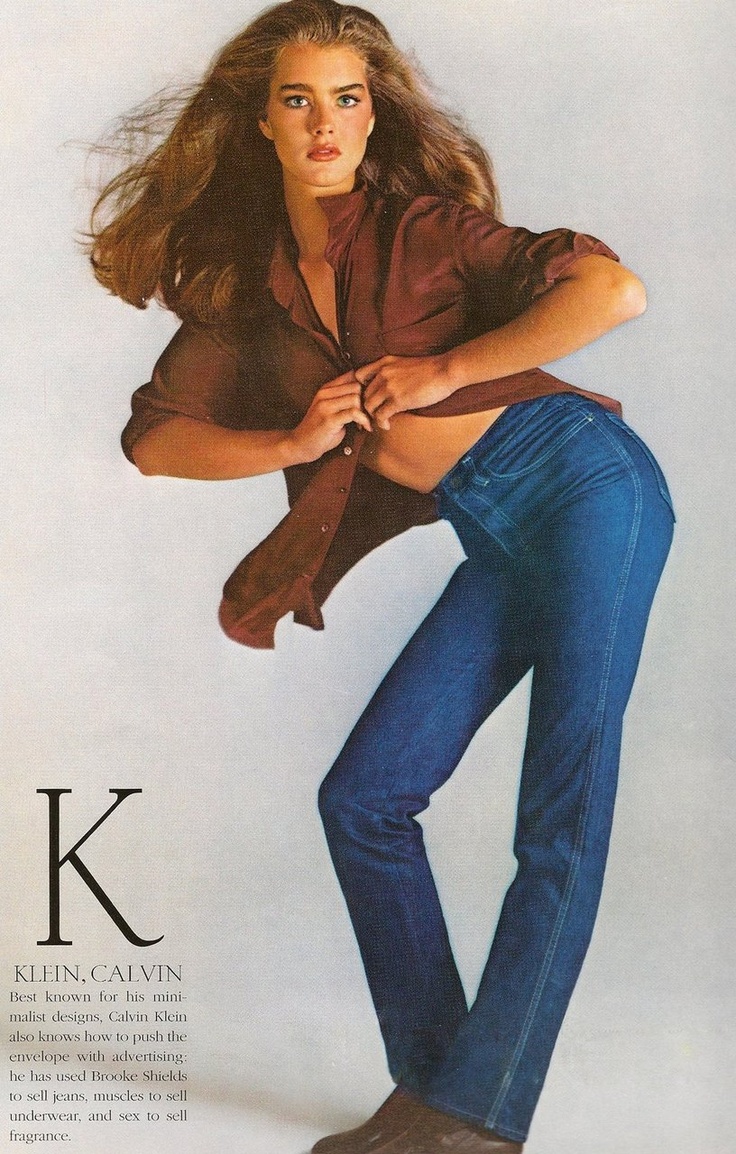
Calvin Klein sexualized 15-year-old Brooke Shields. Sales spike, but long-term brand criticism.
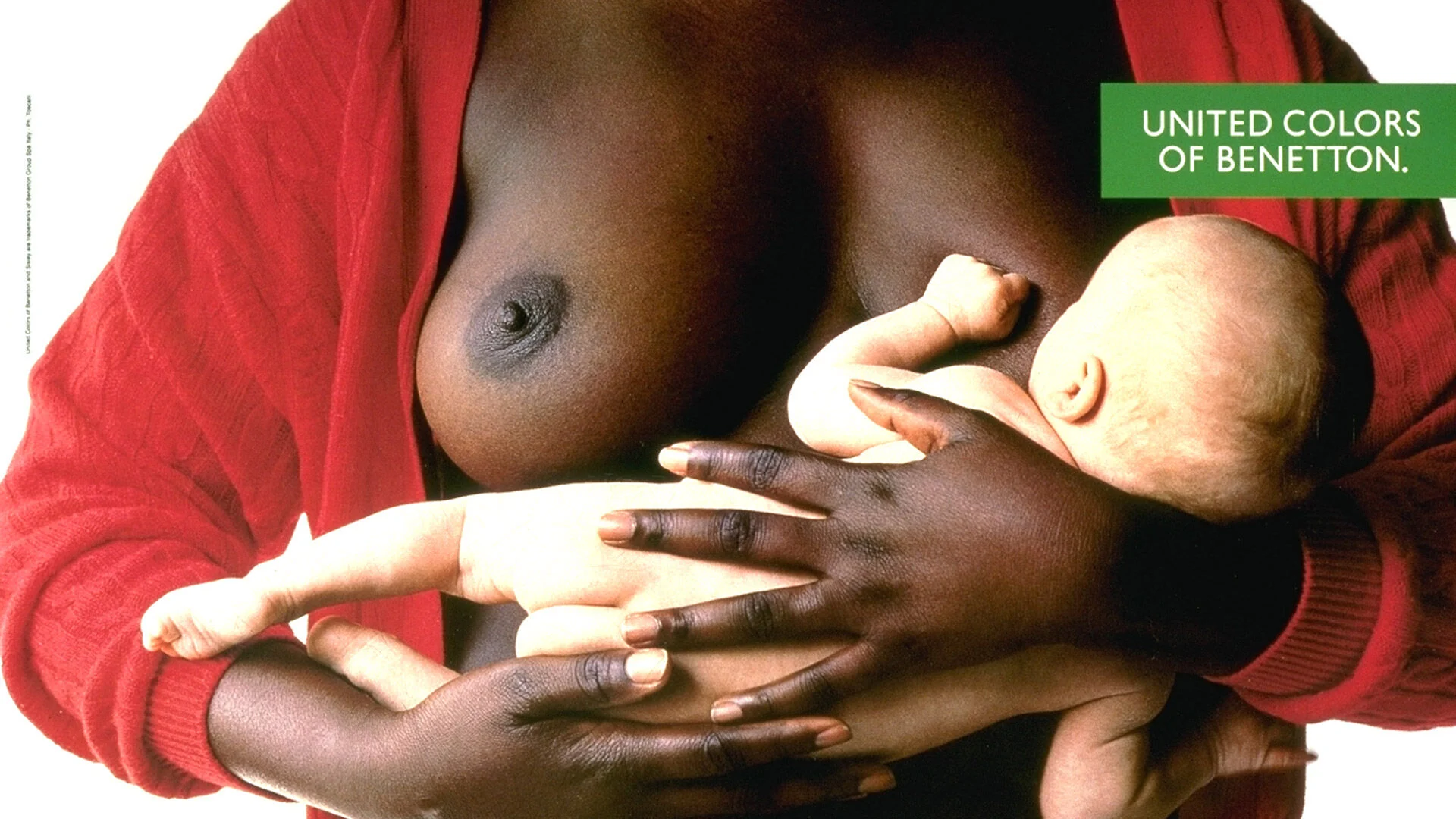
Benetton ran an ad of a Black woman breastfeeding a white baby, stirring slavery associations. Generated buzz but alienated U.S. customers.
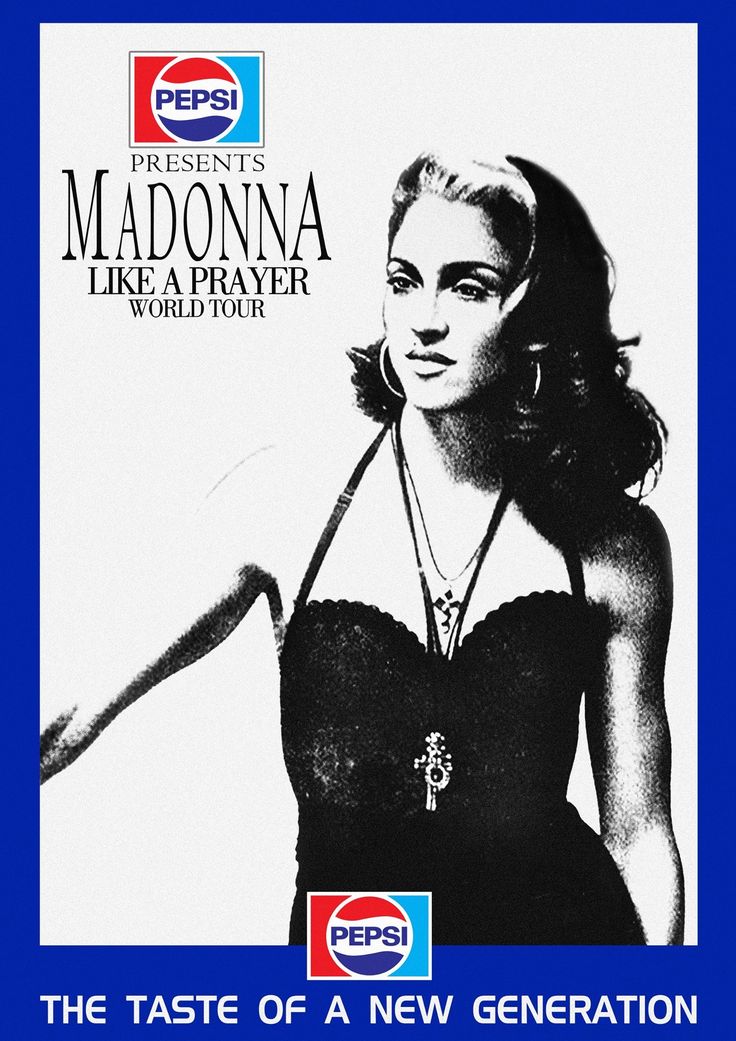
Pepsi blended Catholic iconography with Madonna’s sexuality. Pepsi pulled campaign despite $5M spend.
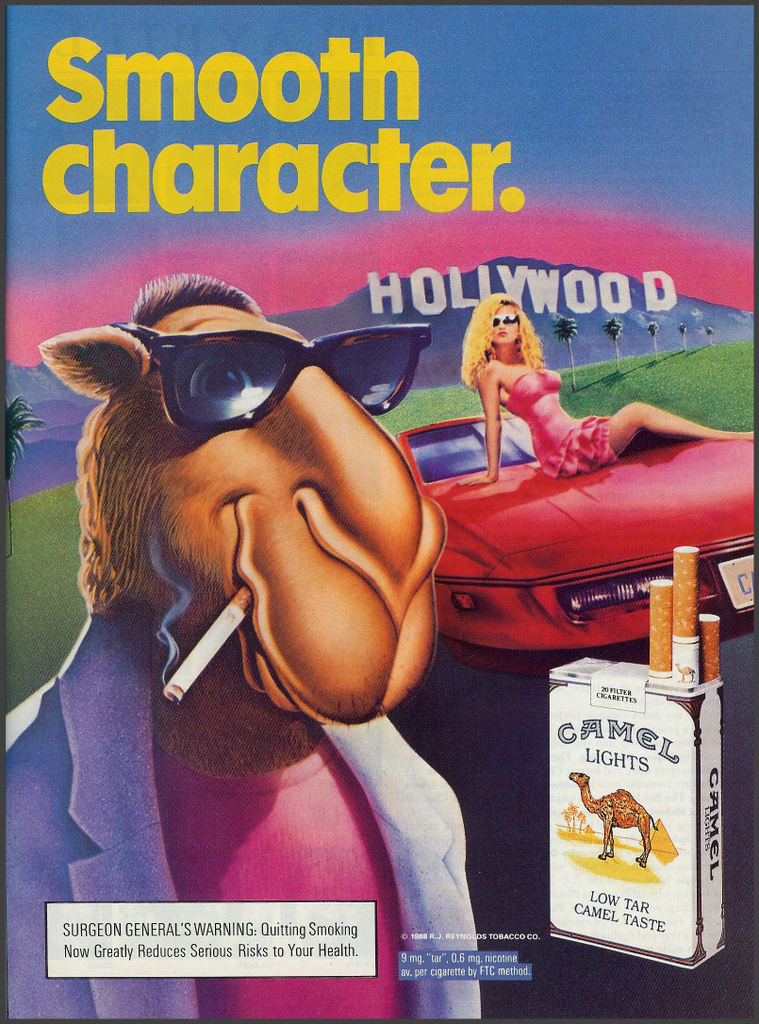
Joe Camel used a cartoon mascot to make cigarettes appealing to children. Lawsuits + settlement; Camel’s share among teens rose before ban.
If the ’80s tested boundaries, the ’90s tried to break them. Shock-vertising became deliberate—and dangerous.
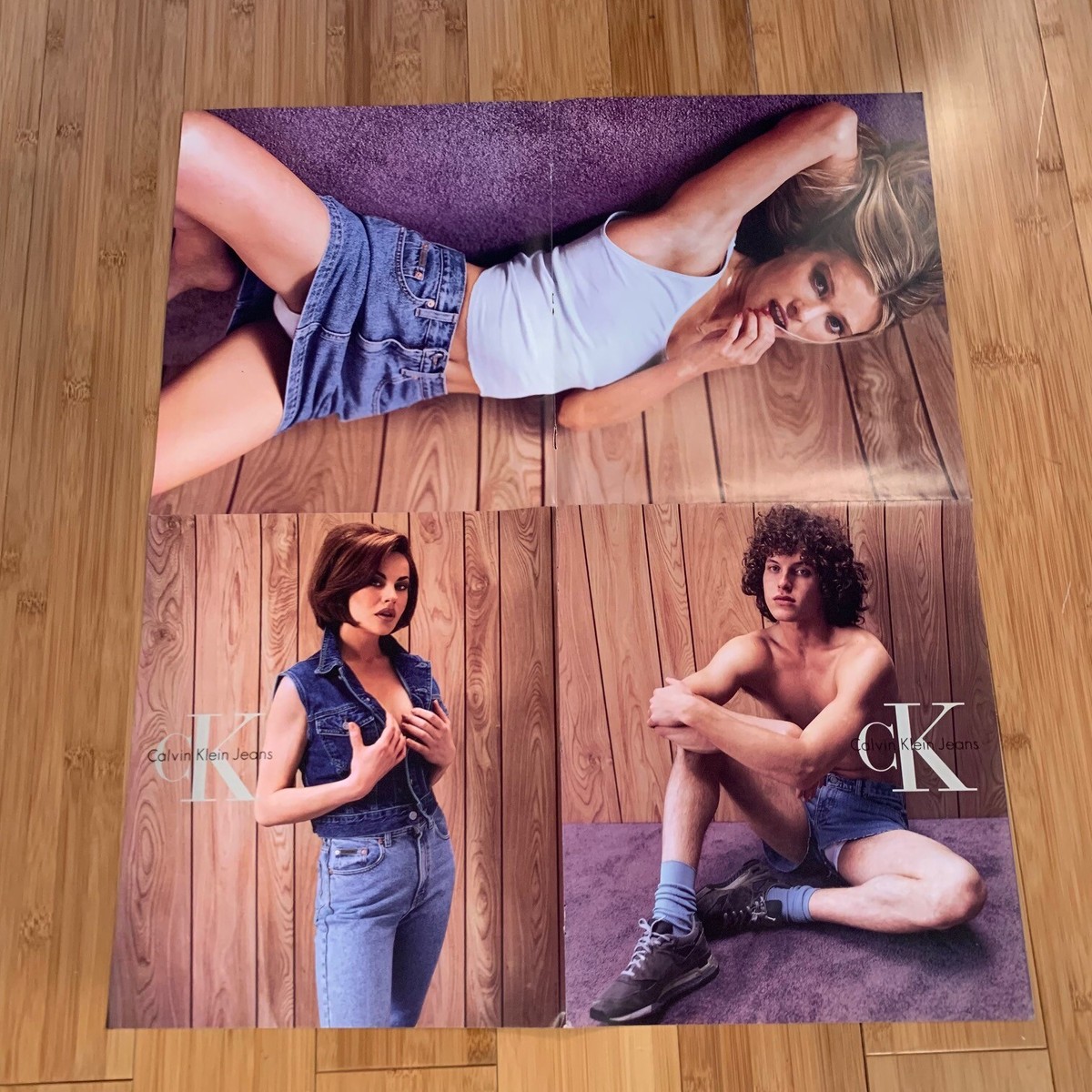
Calvin Klein’s “kiddie porn” jeans ads drew FBI scrutiny. Analysts saw Calvin Klein as a winner, with the publicity outweighing the backlash for a brand built on provocation.
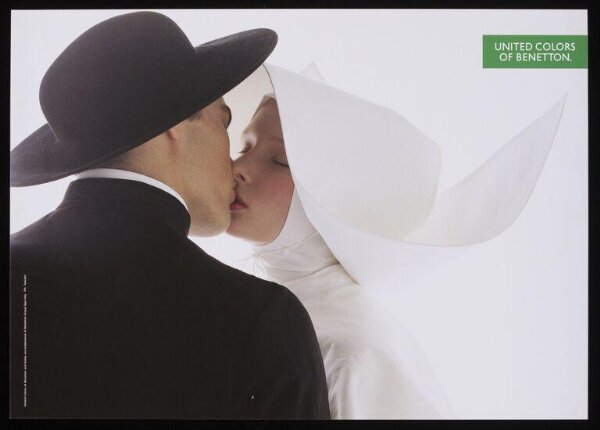
Benetton’s Priest & Nun Kiss ad used Catholic imagery in a way that mocked celibacy vows. Pulled in Italy/US, but Benetton global sales rose short-term.
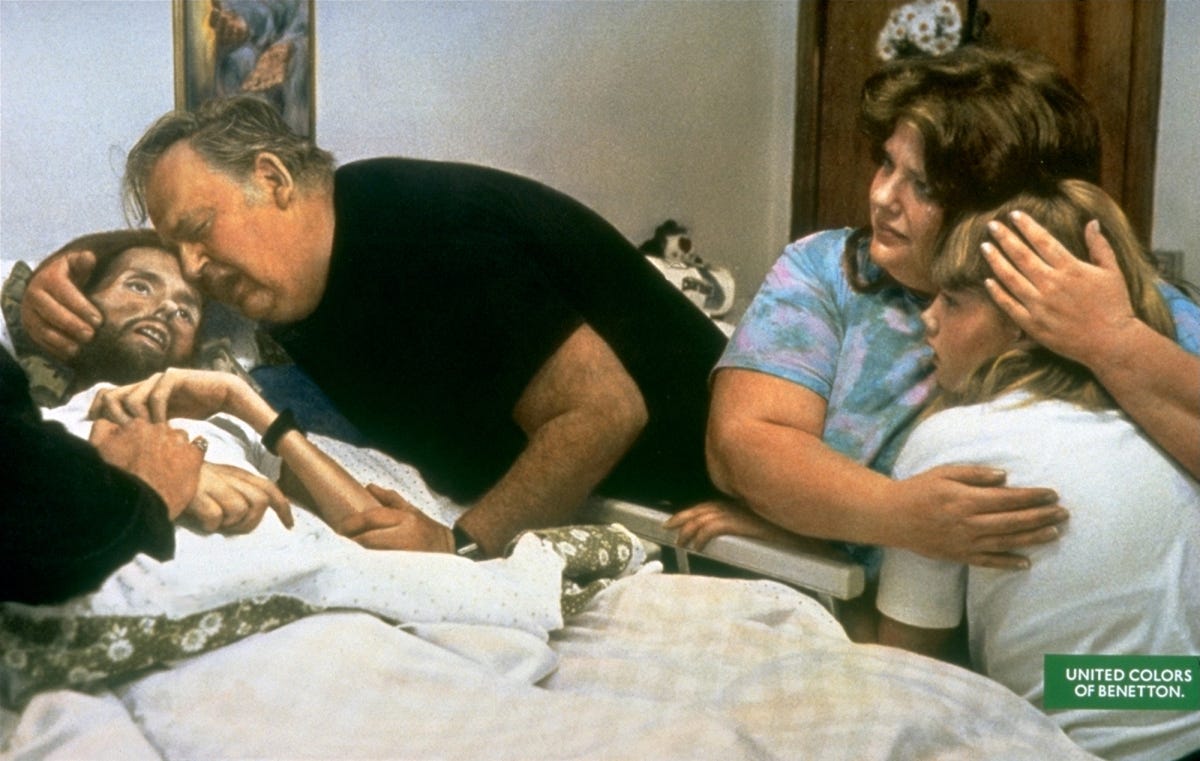
Benetton’s AIDS Pietà recreated Michelangelo’s sculpture with a dying AIDS patient. Infamy increased awareness; sales suffered in U.S.
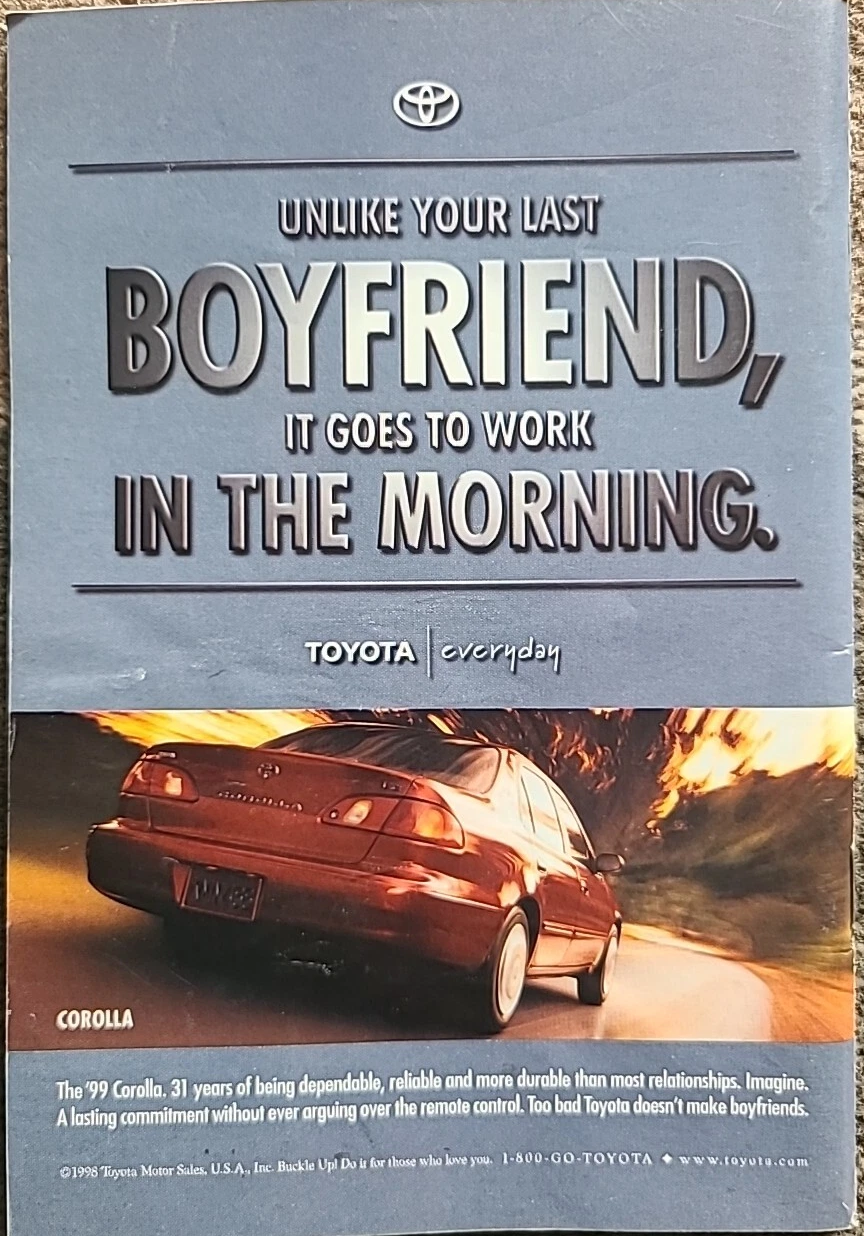
Toyota's “Unlike Your Last Boyfriend” ad was interpreted as a direct insult to Black men. Pulled after Jesse Jackson protests; no profit boost.
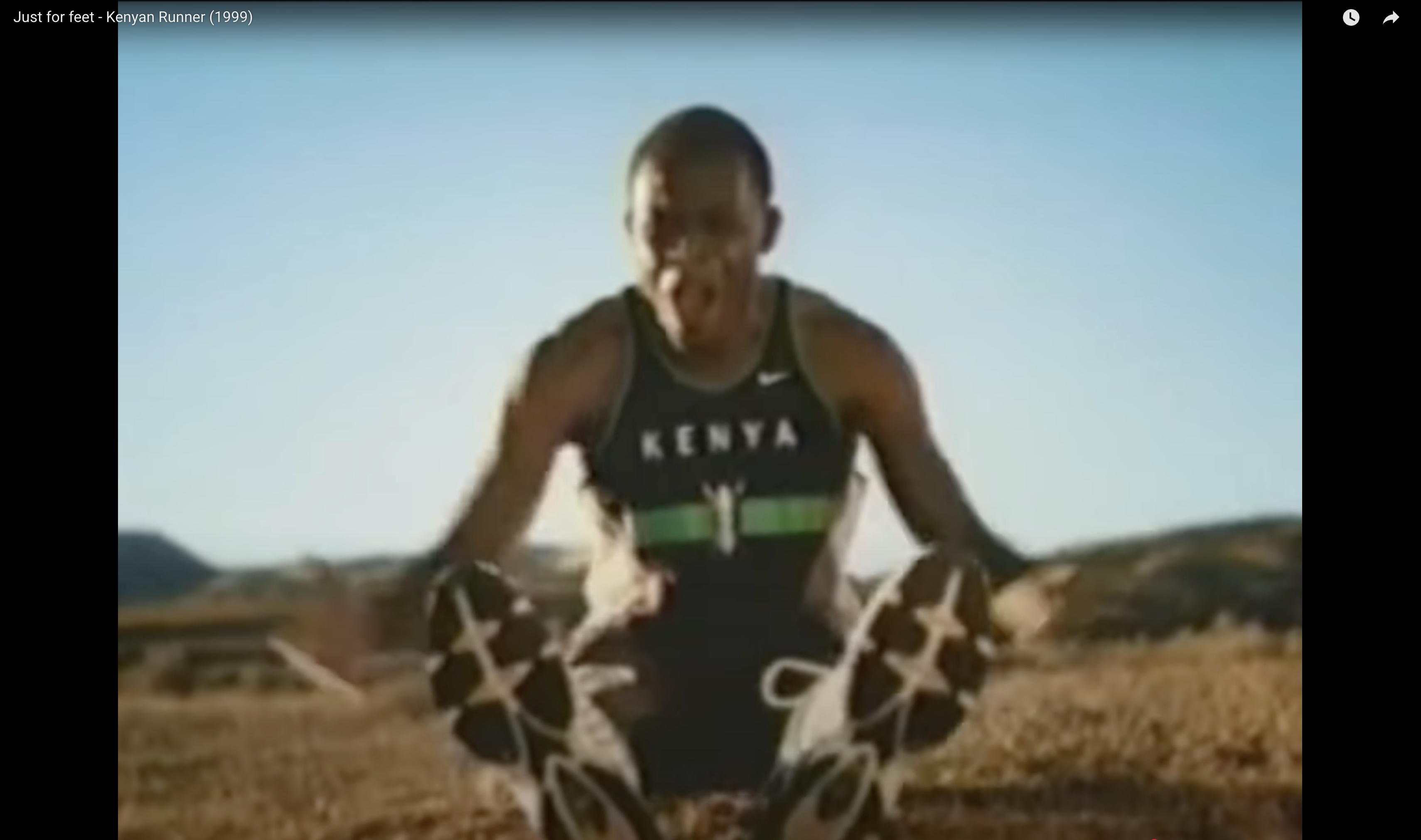
Just for Feet infantilized Kenyan runners, implying they needed shoes from white “saviors". Lawsuit + brand collapse soon after.
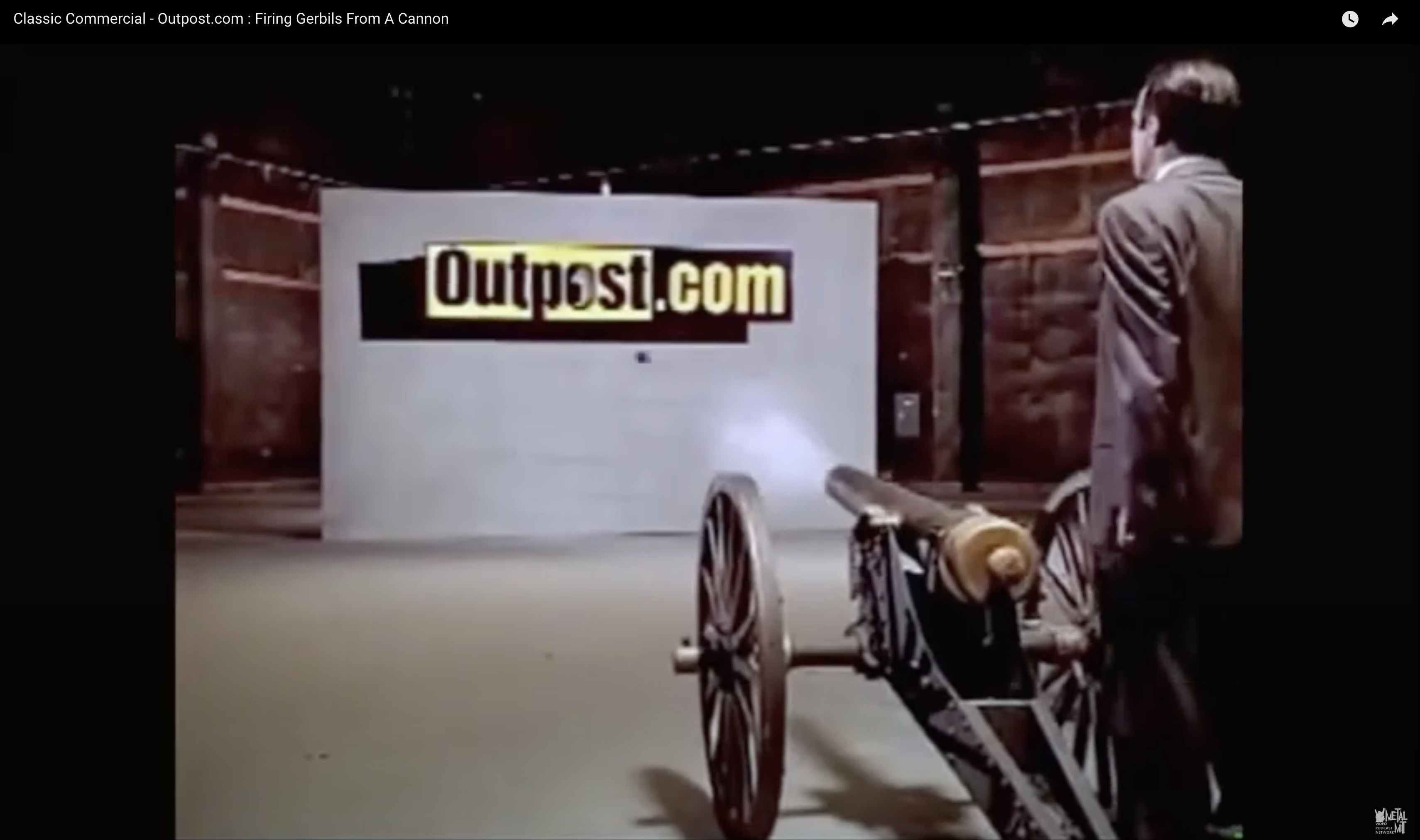
Outpost.com literally fired gerbils from a cannon for laughs. Brand mocked, later failed as dotcom bubble burst.
The new millennium straddled two eras: the leftover provocation of the ’90s and the cautious tone after 9/11.
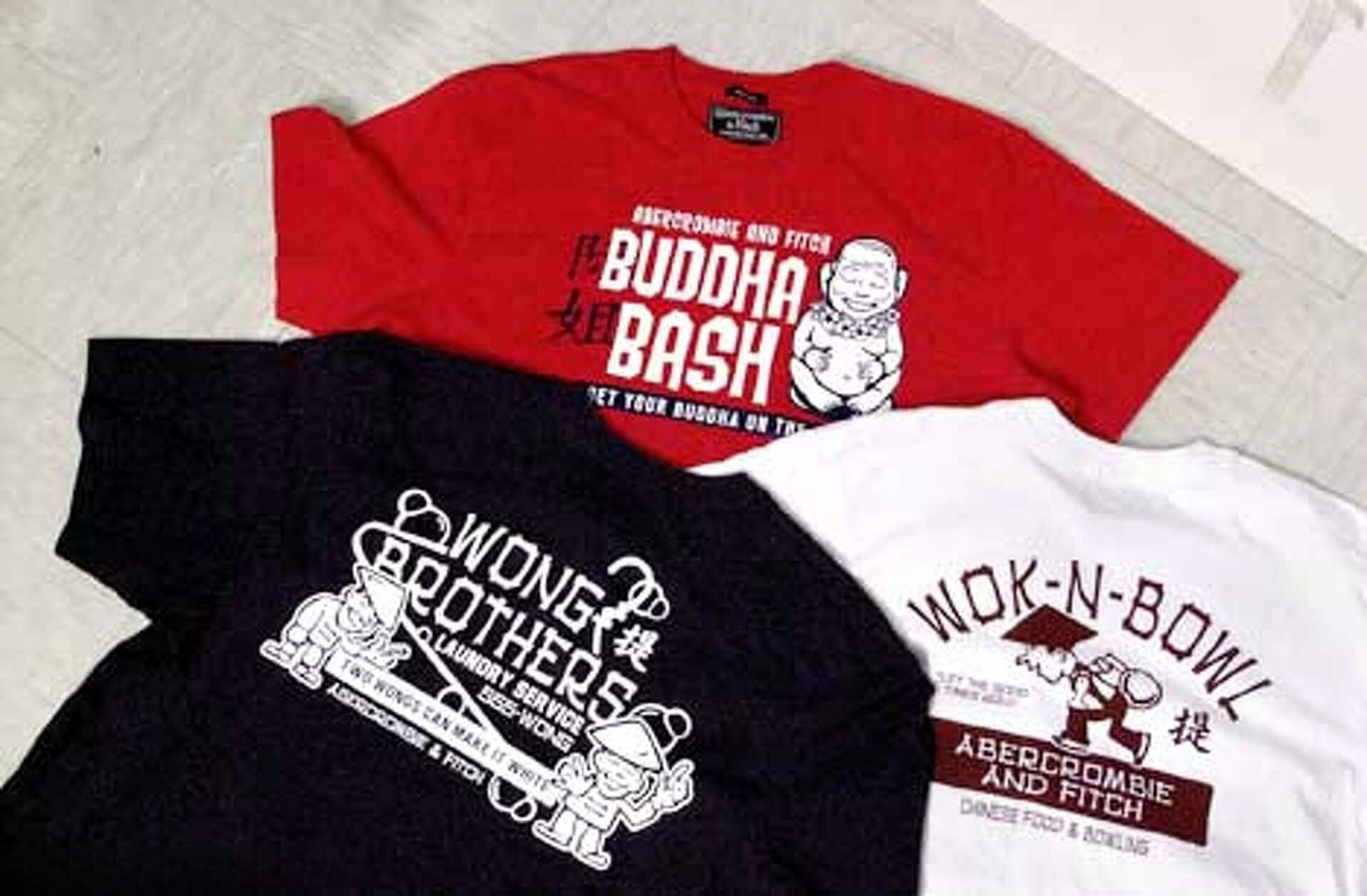
Abercrombie & Fitch sold T-shirts with racist caricatures. Boosted sales with teens, but lawsuits + reputation damage.
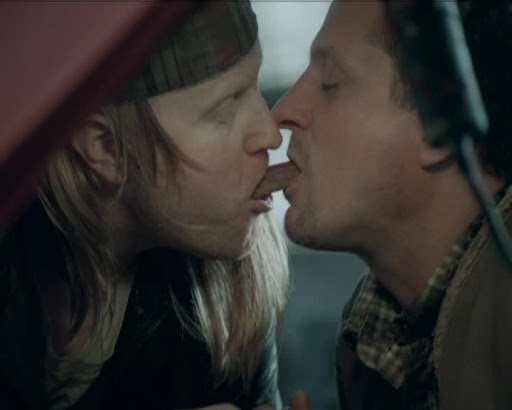
Snickers’ “Mechanics Kiss” leaned on homophobia. Pulled quickly; no measurable sales effect.
GM trivialized mental health with its “Suicidal Robot.” Pulled after criticism; little long-term sales effect.

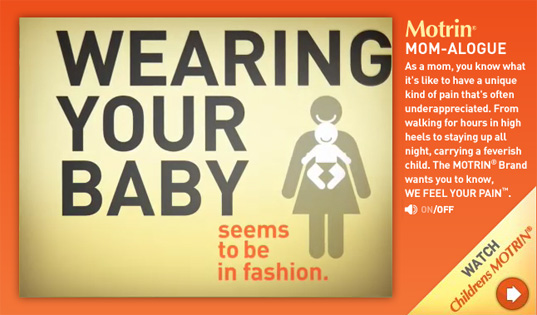
Motrin mocked babywearing moms and sparked online fury. Pulled after Twitter outrage; brand image dinged.
GoDaddy turned sexist Super Bowl jokes into a brand identity. The 2013 GoDaddy “Perfect Match” Super Bowl ad sparked outrage but delivered a 40% jump in domain sales, 45% in hosting, and 35% more mobile customers — their best sales day ever.

Social platforms turned scandals viral. Controversy no longer simmered—it exploded.
Bloomingdale's ad suggested spiking drinks at a party, trivializing date rape. The ad sparked backlash, but it caused reputation damage without clear sales impact.

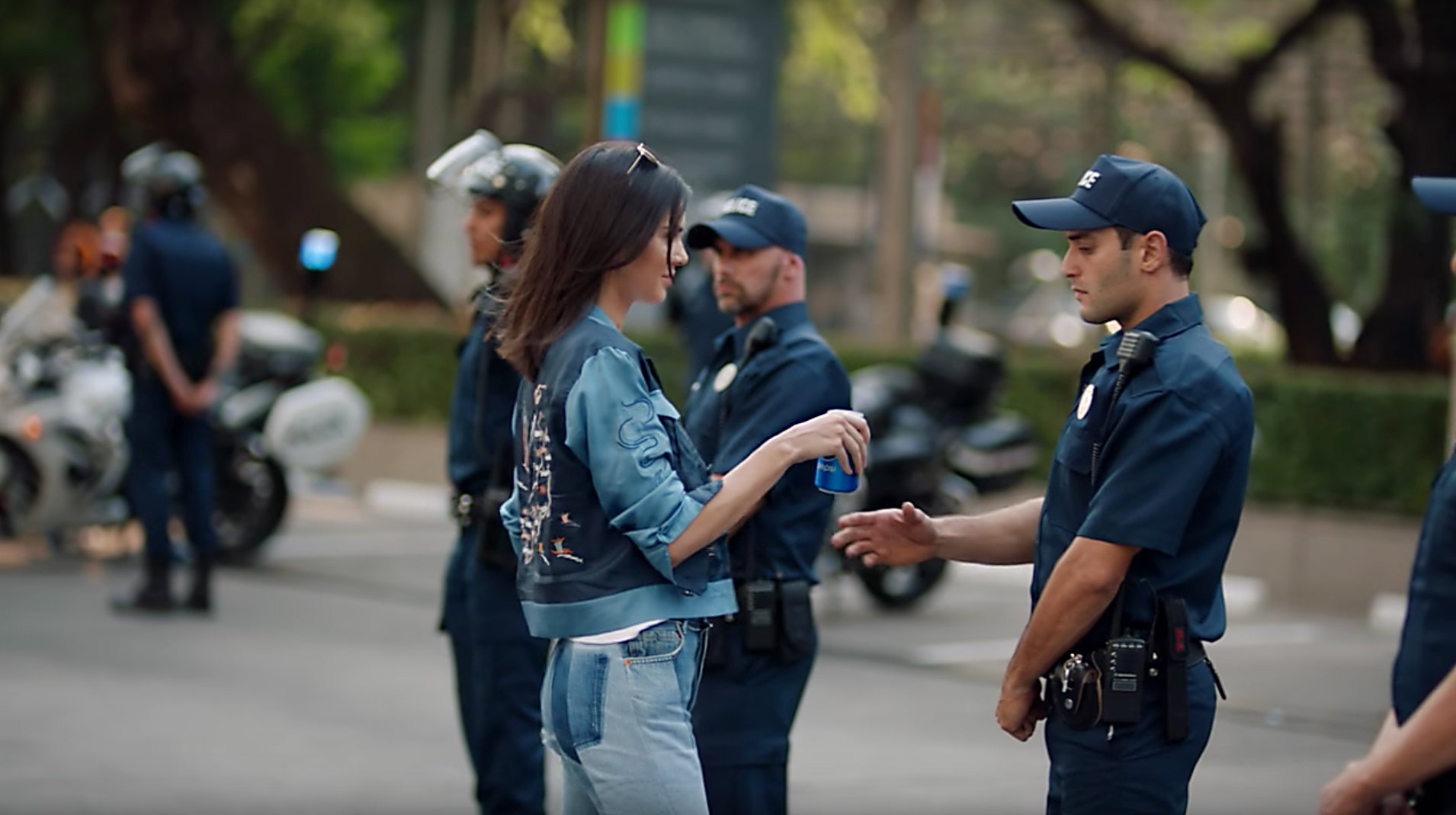
Pepsi’s Kendall Jenner protest ad trivialized Black Lives Matter. The ad was pulled within 24 hours, causing a huge reputation hit but no clear sales decline.
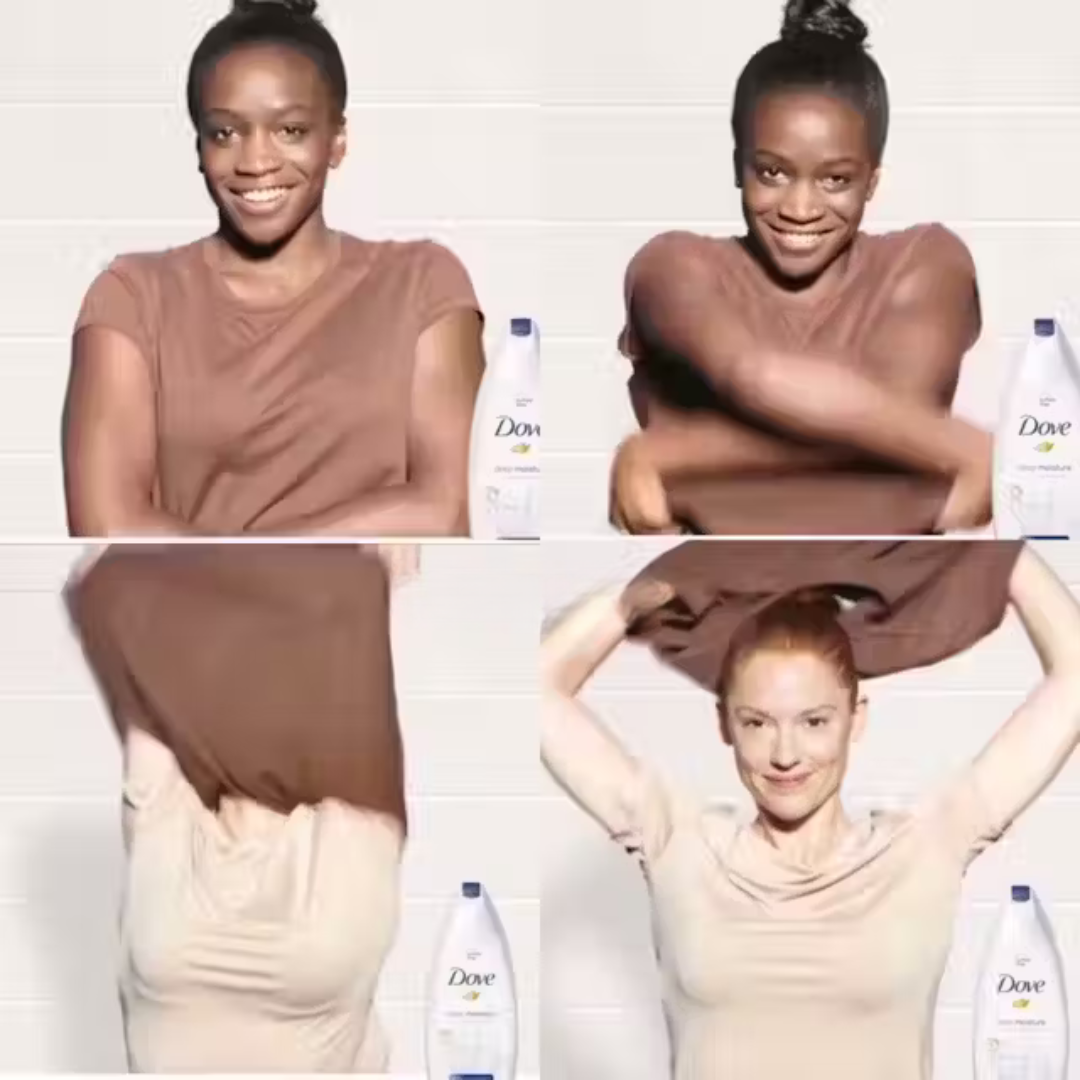
Dove implied whiteness was “cleaner” with its GIF ad. It was pulled within days, causing reputation damage but no proven sales impact.
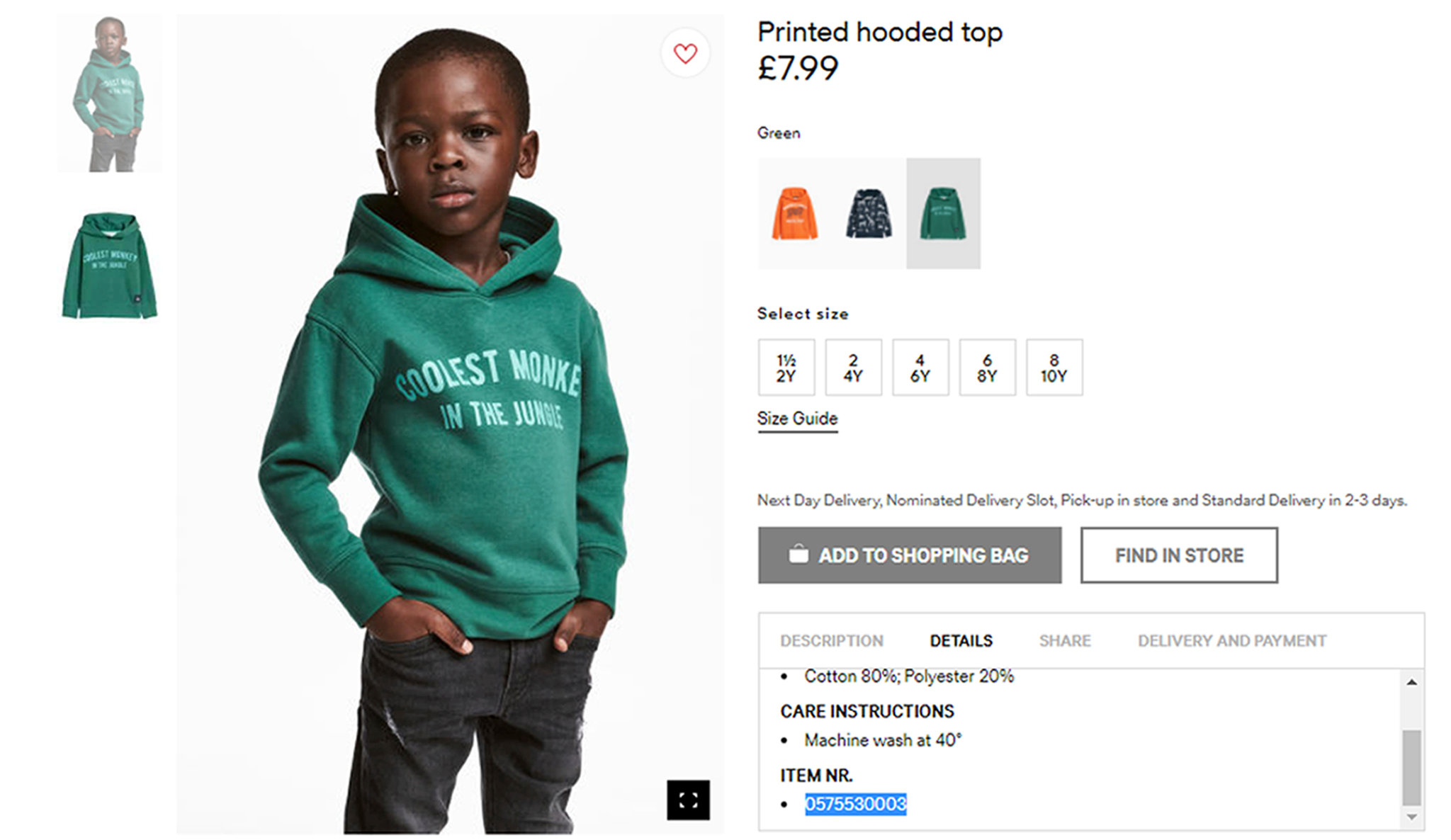
H&M had a Black child wear a shirt that says “Coolest Monkey in the Jungle. Pulled; boycotts in South Africa; sales hit in short term."
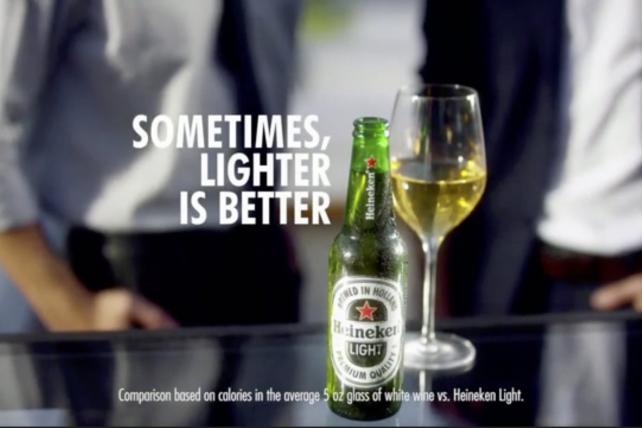
Heineken's ad used a slogan tied to skin color hierarchies. Pulled; minor PR damage.
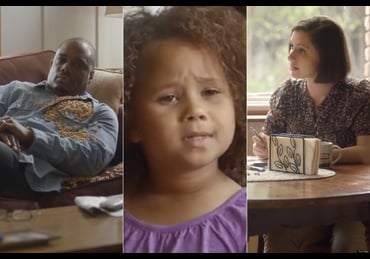
2013 Cheerios “Just Checking” ad drew racist backlash online, but sales held strong and the brand gained praise for inclusivity.
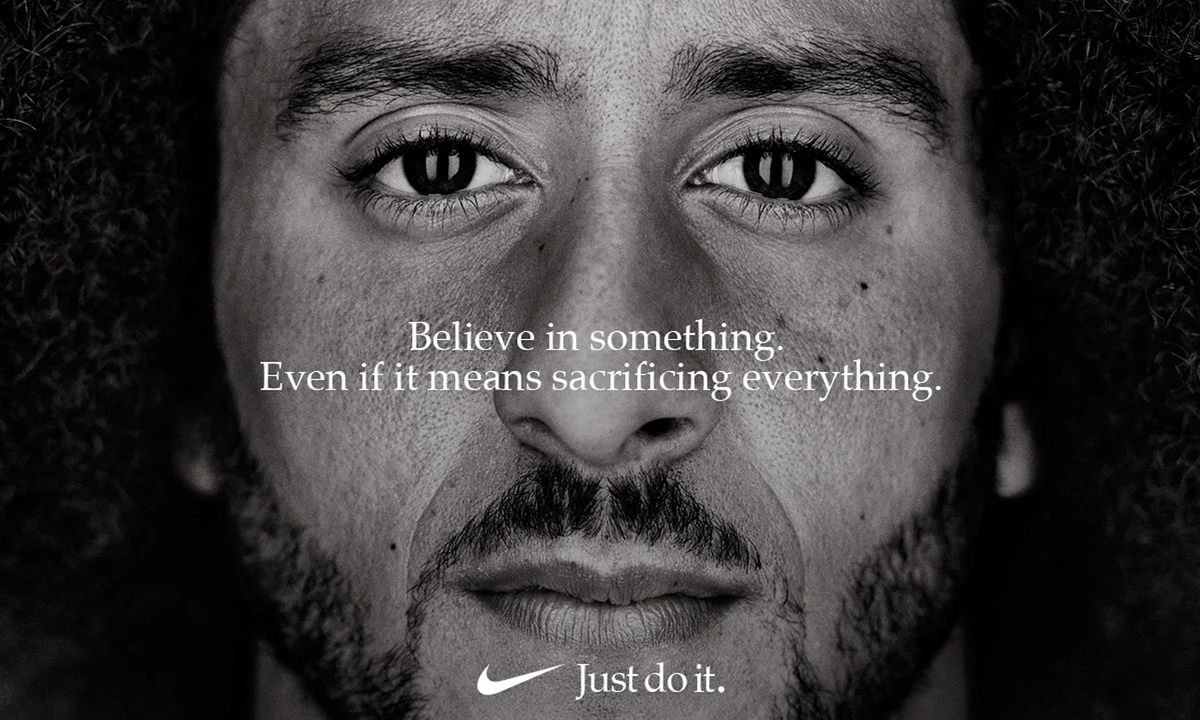
Nike made activism itself a marketing tool with Colin Kaepernick. Stock hit record high; +$6B in value.
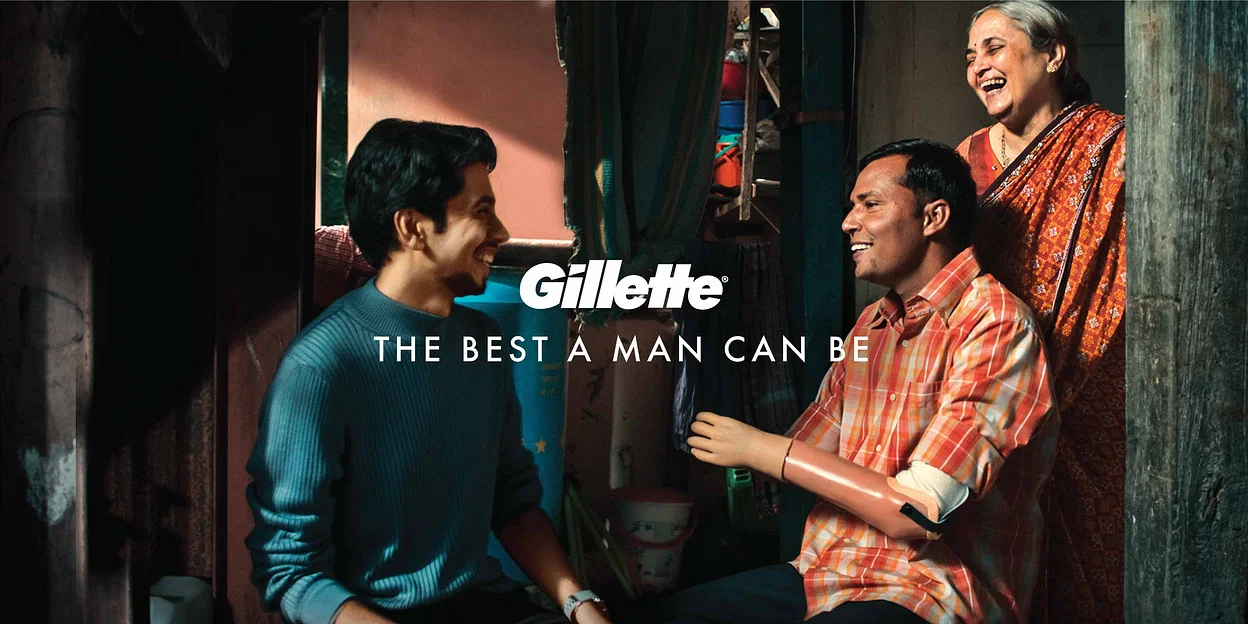
Gillette's ad took aim at toxic masculinity, polarizing audiences along gender/political lines. Huge debate; sales dipped but brand awareness soared.
Peloton’s ad depicted a wife receiving an exercise bike from her husband, seen as controlling and sexist. Stock dropped $1.5B; later recovered.

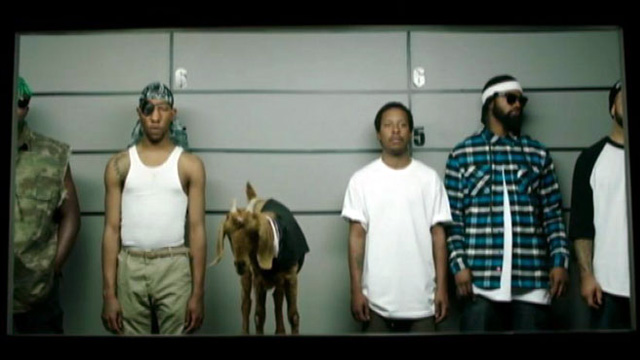
Mountain Dew's ad portrayed all Black men in police lineup as overtly racist. The ad quickly pulled and caused reputation damage but no clear sales loss.
It was the decade when controversy became a clear strategy—supercharged by social media.
Today, controversy is inseparable from politics. Outrage comes from both left and right, making brands lightning rods in culture wars.
Volkswagen's ad showed a giant hand flicking away a Black man, evoking racist imagery. Pulled; global apology.

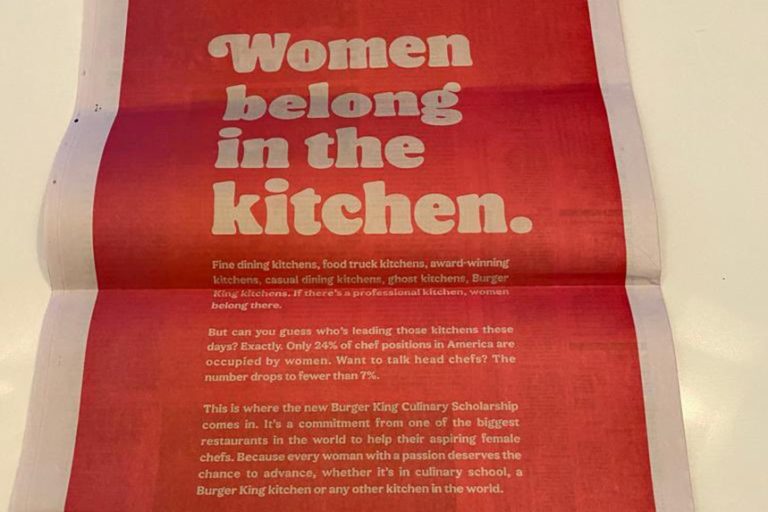
Burger King's tweet meant ironically but read as reinforcing sexism. Tweet deleted; PR disaster, no sales gain.
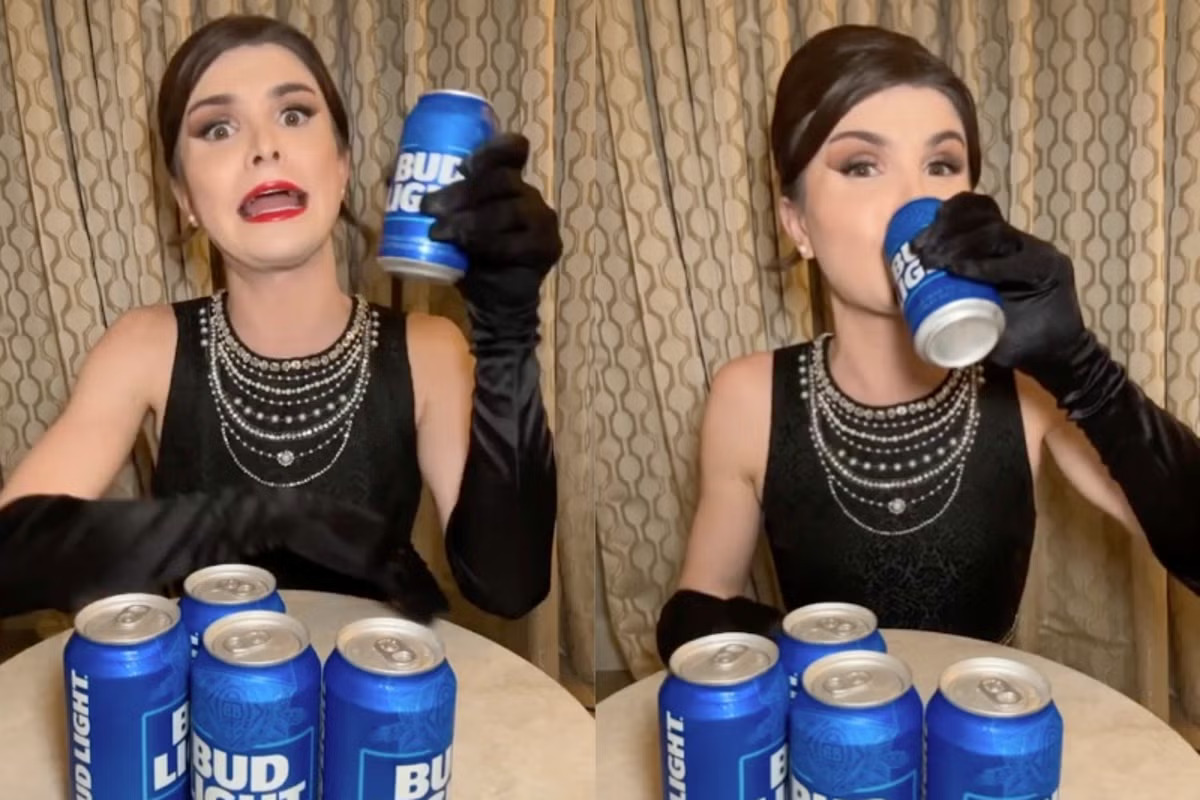
Bud Light’s ad triggered conservatives for partnering with a trans, which led to boycotts. Sales collapse; lost #1 beer spot in U.S.
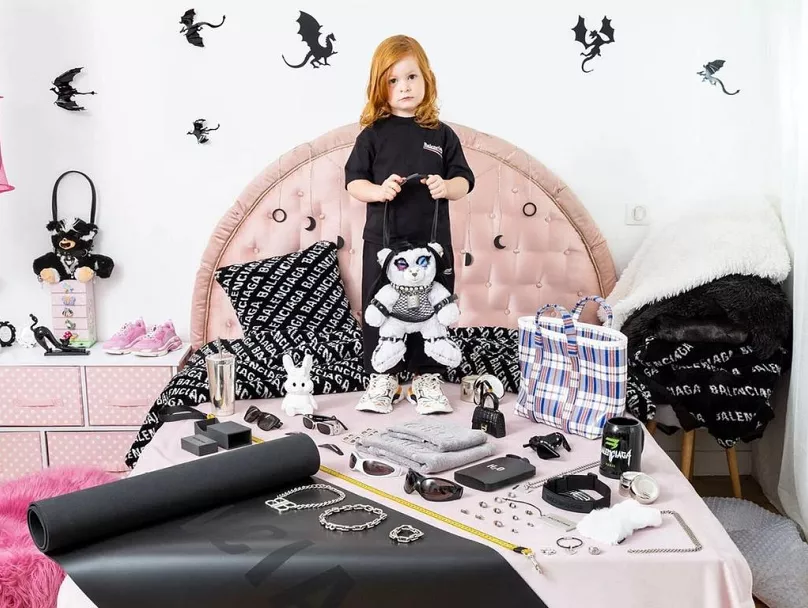
Balenciaga blurred the line between fashion and child exploitation, featuring children with BDSM-themed teddy bears. Global boycott; brand reputation crisis up until today.
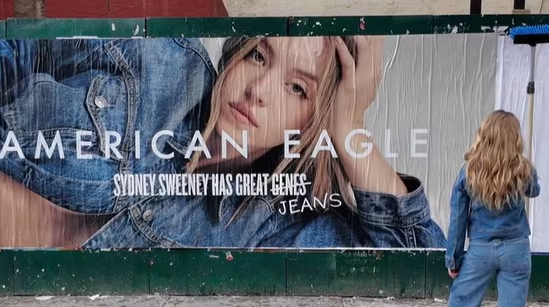
American Eagle’s Sydney Sweeney “Great Genes” campaign had tones of eugenics and racism. Despite backlash, CEO credited campaign for lifting sales.
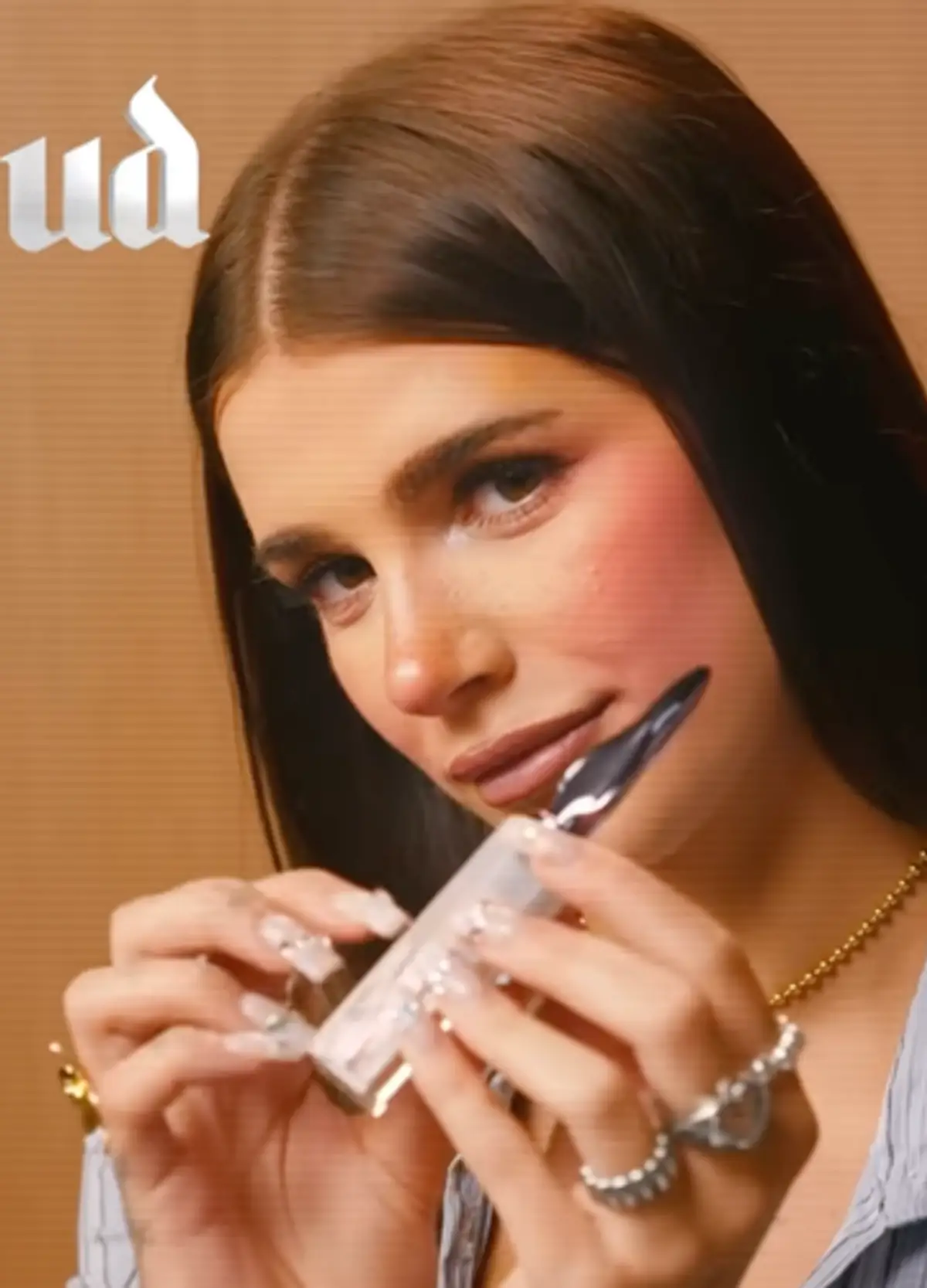
Urban Decay’s OnlyFans collab blurred beauty marketing and porn culture. The partership caused reputation controversy but no reported sales impact.
Swatch ran an ad with a “slanted eye” gesture tied to racist tropes. The ad led to a global pull and apology, hitting its reputation especially in China.

Provocation now risks dragging brands into political battles they can’t control.
The lesson? Attention is cheap. Trust is priceless.